
Outsourcing 3D rendering has become increasingly popular in the architectural industry.
It allows architects to focus on other aspects of the project, while the rendering company takes care of the visual representation of the design.
Understanding 3D rendering outsourcing is crucial for architects who want to take advantage of its benefits. It involves choosing a reliable service provider, communicating the desired deliverables, and ensuring quality assurance. While outsourcing can save time and effort, it is important to consider cost, industry-specific requirements, and how it's going to change in the near future with the AI revolution.
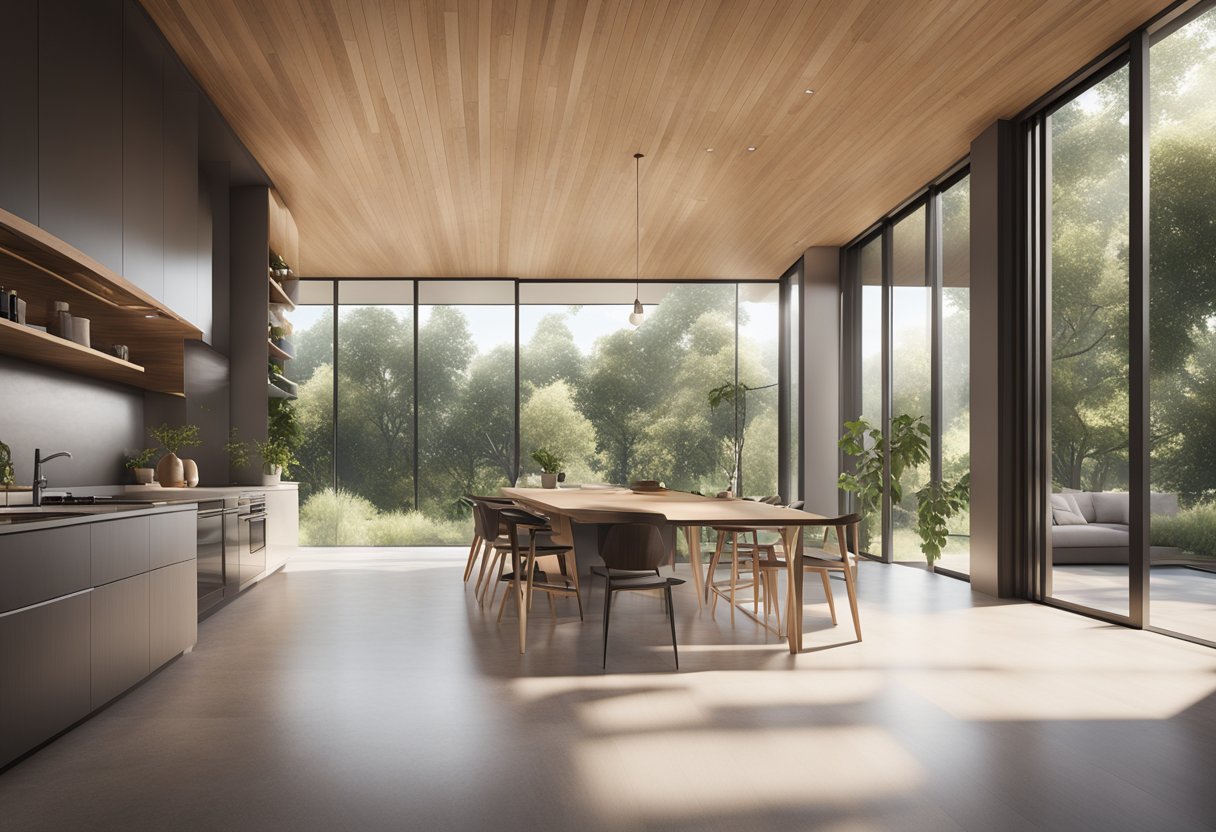
Outsourcing 3D rendering is the process of hiring a third-party company or individual to create 3D visualizations of architectural designs. This allows architects and designers to focus on the creative aspects of their work, while leaving the technical and time-consuming rendering process to experts.
3D architectural rendering outsourcing can cover a wide range of services, from simple 3D modeling to advanced animation and virtual reality experiences.
There are several benefits to outsourcing 3D rendering for architectural projects.
First, outsourcing can save time and money. Creating high-quality 3D renderings requires specialized software and hardware, as well as skilled professionals. Outsourcing allows architects and designers to avoid the costs of purchasing and maintaining these resources, as well as the time and expense of training staff.
Second, outsourcing can improve the quality of 3D renderings. Professional outsourcing companies have experience and expertise in creating high-quality 3D visualizations. They can provide a level of detail and realism that may be difficult to achieve in-house.
Third, outsourcing can provide flexibility and scalability. Outsourcing companies can provide a wide range of services, from simple 3D modeling to complex animations and virtual reality experiences. This allows architects and designers to choose the level of service that best suits their needs, and to scale up or down as required.
Overall, outsourcing 3D rendering can be a cost-effective and efficient way to create high-quality 3D visualizations for architectural projects.
When it comes to outsourcing 3D architectural rendering, choosing the right service provider can make or break your project. Here are some factors to consider when selecting a 3D rendering service provider:
When comparing quotes and services from different 3D rendering service providers, consider the following:
By considering these factors, you can select a 3D rendering service provider that meets your needs and delivers high-quality renders within your budget and timeframe.
Outsourcing 3D architectural rendering can be a great way to save time and money while still getting high-quality results. However, it is important to have a clear process in place to ensure that the project runs smoothly and the final product meets all of your requirements.
One of the most important aspects of outsourcing 3D architectural rendering is establishing a clear workflow and communication plan. This should include regular check-ins and updates to ensure that the project is progressing as expected.
It is also important to establish clear guidelines for file formats, deadlines, and deliverables. This can help to avoid confusion and ensure that everyone is on the same page throughout the project.
Another key aspect of outsourcing 3D architectural rendering is effective project management. This includes setting clear goals and objectives, assigning tasks and responsibilities, and monitoring progress throughout the project.
Effective project management can help to ensure that the project is completed on time and within budget, while also ensuring that the final product meets all of your requirements.
Overall, outsourcing 3D architectural rendering can be a great way to save time and money while still getting high-quality results. By establishing clear workflows and communication plans, and implementing effective project management strategies, you can ensure that your outsourced 3D rendering project is a success.
When outsourcing 3D architectural rendering services, quality assurance is an essential aspect to consider. Quality assurance ensures that the final product meets the client's standards and expectations.
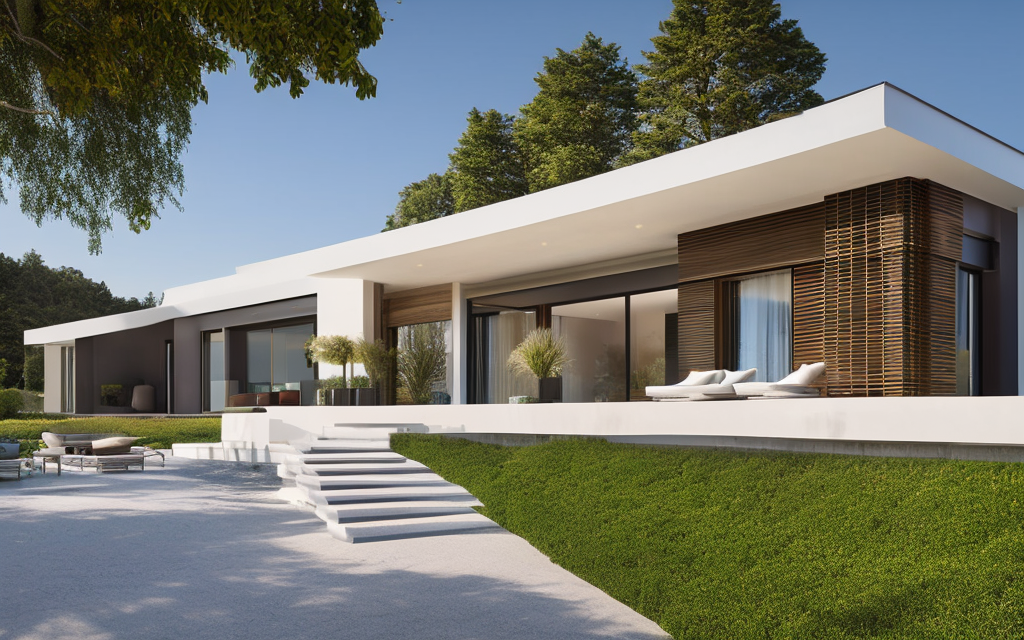
One way to ensure quality assurance in 3D rendering outsourcing services is to establish clear standards and consistency. This involves defining the quality of the final product, the level of detail required, and the expected timeline for delivery. The 3D rendering service provider should be able to adhere to these standards consistently throughout the project.
To ensure consistency, the 3D rendering service provider should also have a clear understanding of the client's brand, style, and preferences. This will help them create a final product that aligns with the client's vision and meets their expectations.
Another critical aspect of quality assurance in 3D rendering outsourcing services is feedback and revisions. The client should provide feedback on the initial drafts of the 3D rendering, and the 3D rendering service provider should make revisions accordingly.
The client should be able to provide constructive feedback that helps the 3D rendering service provider understand their expectations better. The 3D rendering service provider should be open to feedback and willing to make revisions until the client is satisfied with the final product.
To ensure that feedback and revisions are done efficiently, the client and the 3D rendering service provider should establish clear communication channels. This will help them stay in touch throughout the project and address any issues that may arise promptly.
In conclusion, quality assurance is a critical aspect of 3D rendering outsourcing services. By establishing clear standards and consistency and providing feedback and revisions, the client can ensure that the final product meets their expectations.
When it comes to outsourcing 3D architectural rendering, cost is one of the most important considerations. In this section, we will discuss two key cost considerations: budgeting for outsourcing and cost-benefit analysis.
Before outsourcing 3D rendering, it is important to have a clear idea of the budget available. This will help in selecting the right outsourcing partner and in negotiating a fair price. It is also important to keep in mind that the cost of outsourcing can vary depending on the complexity of the project, the level of detail required, and the timeline.
One way to budget for outsourcing is to create a detailed breakdown of the costs involved. This can include the cost of software, hardware, and labor. It is also important to factor in any additional costs, such as communication and project management. By having a clear understanding of the costs involved, it is easier to make informed decisions about outsourcing.
When considering outsourcing 3D rendering, it is important to conduct a cost-benefit analysis. This involves weighing the costs of outsourcing against the potential benefits. Some of the benefits of outsourcing include access to specialized skills, increased efficiency, and cost savings.
To conduct a cost-benefit analysis, it is important to consider both the direct and indirect costs of outsourcing. Direct costs include the cost of outsourcing itself, while indirect costs include the cost of managing the outsourcing relationship. It is also important to consider the potential benefits, such as improved quality and increased speed.
Overall, outsourcing 3D architectural rendering can be a cost-effective way to access specialized skills and increase efficiency. However, it is important to carefully consider the costs involved and conduct a cost-benefit analysis before making a decision.
When it comes to outsourcing 3D architectural rendering, it's important to consider the specific needs of the industry. Different types of architectural projects require different types of rendering, and outsourcing to a specialized service provider can ensure that the final product is of high quality and meets the unique needs of the project.
Residential projects, such as single-family homes or multi-unit apartment buildings, require a specific type of rendering that focuses on the interior and exterior design elements. A skilled 3D rendering service provider can create realistic and detailed renderings that showcase the layout, lighting, and textures of the space, helping potential buyers or renters visualize themselves in the space.
Commercial projects, such as office buildings or retail spaces, require a different type of rendering that focuses on the functionality and flow of the space. A skilled 3D rendering service provider can create renderings that showcase the layout of the space, including the placement of furniture and equipment, and help clients visualize how the space will function.
Furniture rendering is an important aspect of many architectural projects, as it allows clients to see how different pieces of furniture will look in the space. Outsourcing 3D furniture rendering services to a specialized service provider can ensure that the final product is realistic and detailed, and accurately reflects the design of the space.
Overall, outsourcing 3D architectural rendering to a specialized service provider can ensure that the final product is of high quality and meets the unique needs of the project. By considering the specific needs of the industry, such as residential, commercial, or furniture rendering, clients can ensure that their project is completed to their satisfaction.
Rendering software using artificial intelligence (AI) is poised to revolutionize the field of 3D rendering.
One of the main advantages of AI-based tools is their ability to significantly reduce both the cost and time associated with 3D architectural rendering.
Traditional software often requires extensive manual input and labor-intensive processes, leading to higher costs and longer project timelines. In contrast, AI-based tools can automate many of these tasks, streamlining the rendering process and delivering high-quality results in a fraction of the time.
This not only translates to substantial cost savings for architectural firms, but also allows for quicker turnaround times, enabling them to take on more projects and meet tight deadlines with ease.
Furthermore, AI-based tools have the potential to enhance the accuracy and realism of 3D architectural renderings. By leveraging machine learning algorithms, these tools can analyze vast amounts of data to understand architectural styles, materials, and design principles, allowing for more realistic and detailed renderings.
This level of precision not only elevates the quality of the final output but also empowers architects and designers to explore innovative concepts and make informed decisions throughout the design process.
As AI continues to advance, it is clear that AI-based tools will play an instrumental role in shaping the future of 3D architectural rendering, offering unparalleled efficiency, cost-effectiveness, and creative possibilities for professionals in the field.
The cost of professional 3D rendering services is influenced by several factors, including the complexity of the project, the level of detail required, the size of the project, and the experience of the 3D rendering company. Generally, more complex projects with higher levels of detail will cost more than simpler projects. Additionally, larger projects will typically require more time and resources, which can also increase the cost of the project.
The duration of a standard architectural 3D rendering project can vary depending on the complexity of the project. However, most projects can be completed within a few weeks to a few months. The time required to complete a project can be affected by factors such as the level of detail required, the size of the project, and the amount of revisions needed.
Using a specialized 3D architecture firm for rendering services can provide several benefits. These firms typically have extensive experience in creating 3D renderings and can produce high-quality, photorealistic images that accurately represent the project. Additionally, these firms often have access to specialized software and hardware that can improve the quality and efficiency of the rendering process. Finally, using a specialized firm can free up time and resources for the architectural firm, allowing them to focus on other aspects of the project.
When selecting an architectural visualization studio, it is important to consider several factors. These include the studio's experience and expertise, the quality of their portfolio, their reputation in the industry, and their pricing and delivery times. Additionally, it is important to ensure that the studio is using the latest software and hardware, and that they have a strong understanding of the project requirements.
Architectural firms can provide in-house 3D rendering services, but outsourcing can often be a better option. Outsourcing allows firms to access specialized expertise and resources that may not be available in-house. Additionally, outsourcing can free up time and resources for the firm, allowing them to focus on other aspects of the project. However, the decision to outsource or provide in-house services will depend on the specific needs and resources of the firm.

.webp)