
OpenAI shut down Sora’s web and app experience in April 2026, with the Sora API set to follow on September 24, 2026, leaving many creators searching for a new AI video generator.
Despite becoming one of the fastest-growing AI apps, surpassing one million downloads in less than five days and outpacing ChatGPT's launch performance, Sora's run has come to an end.
Fortunately, there are several capable alternatives that offer similar or even better features, depending on your workflow.
First, let’s look at what made Sora a high-performing video generation tool in the first place.
Before Sora even entered the market, the video generation space was already very competitive, with tools like Kling, Veo, and Pika already dominating the industry, but it still managed to make a name for itself.
These features allowed it to compete in an already competitive market:
Beyond its core features, Sora already had a significant advantage over other AI video generators because it was developed by OpenAI, the world's largest consumer-focused AI company. Sora also stood out for its ability to:
Another unique aspect of Sora was that it was designed to be more than just an AI tool. It was also built as a creative community.
Instead of offering only a generation interface, Sora included a TikTok-style app where users could browse, share, and discover AI-generated videos from other creators.
So let's now have a look at other AI generators you can replace Sora with.
| Tool | Best for | Starting price | Free trial | Open source |
|---|---|---|---|---|
| MyArchitectAI | Architecture visualization | Starts at $29/month
|
10 free renders | No |
| Kling | Long-form videos | Starts at $10/month
|
Free basic plan | No |
| Runway | Marketing and content creation | Starts at $12/month
|
Free basic plan | No |
| Veo 3.1 | Cinematic filmmaking | Starts at $4.99/month in Gemini
|
None, requires paid plan | No |
| Seedance 2.0 | Cinematic storytelling | Starts at $10/month
|
Free through Dreamina's free trial | No |
| Pika | Beginners and social media content | Starts at $8/month
|
Free basic plan | No |
| Wan | Local AI deployment | Free, or $5/month on Wan's web platform
|
Wan is an open-source model, but offers premium plans on their web platform | Yes |
| LTX 2.3 | Fast iteration and developer workflows | Free | Free for companies with under $10 million annual income | Yes |
| Vidu | Character consistency | Starts at $8/month
|
Free basic plan | No |
| HappyHorse | Top-ranked realism with native audio | Pay per second via API: $0.14/s (720p), $0.28/s (1080p) | Demo access through API platforms | No (API only) |
Best for: Architects, interior designers and AEC professionals who want fast, photorealistic interior and exterior renderings and animations with minimal setup.
Pricing: Video-capable plan starts at $49/month

MyArchitectAI is an image and video generation tool designed specifically for professionals in the Architecture, Engineering, and Construction (AEC) industry.
It eliminates many of the inconveniences of manual rendering, including time-consuming scene setup, lengthy render times, steep learning curves, and complex rendering workflows. Despite generating still renders in as little as 10 seconds, it produces photorealistic interior and exterior visualizations that closely resemble manually created renders.
It also simplifies the creation of AI architectural animations through built-in camera presets like dolly-in, glide, orbit, day-to-night, and more, so you don't need to manually configure camera paths or even write prompts.
Features:
Compared to Sora:
MyArchitectAI is made specifically for architectural design purposes which means it understands construction and interior design language and concepts better than general-purpose video generation models like Sora.
Best for: Creating realistic videos with consistent characters and scenes across variations and generations
Pricing: Starts at $10 per month, or about $6.60/month billed annually (first-month discounts are common)

Developed by Kuaishou Technology, Kling entered public testing in 2024, months before Sora was released to the public. It is a text-to-video and image-to-video generation model and a go-to for detailed animations involving rapidly moving objects, drastic scene changes, complex character movements and in general, realistic video generation.
Features:
Compared to Sora:
Kling shares many of the same strengths as Sora, including realistic video generation, strong prompt adherence, and the ability to maintain consistent characters and scenes using reference images or videos. Both models are capable of producing cinematic-quality outputs with natural motion and complex physical interactions.
Where Kling differs is its ability to generate up to four variations from a single prompt and its native support for multilingual lip-sync.
For more tools like Kling, check our guide to Kling AI alternatives.
Best for: Marketing professionals who are looking to speed up their creative workflows
Pricing: Starts at $12/month
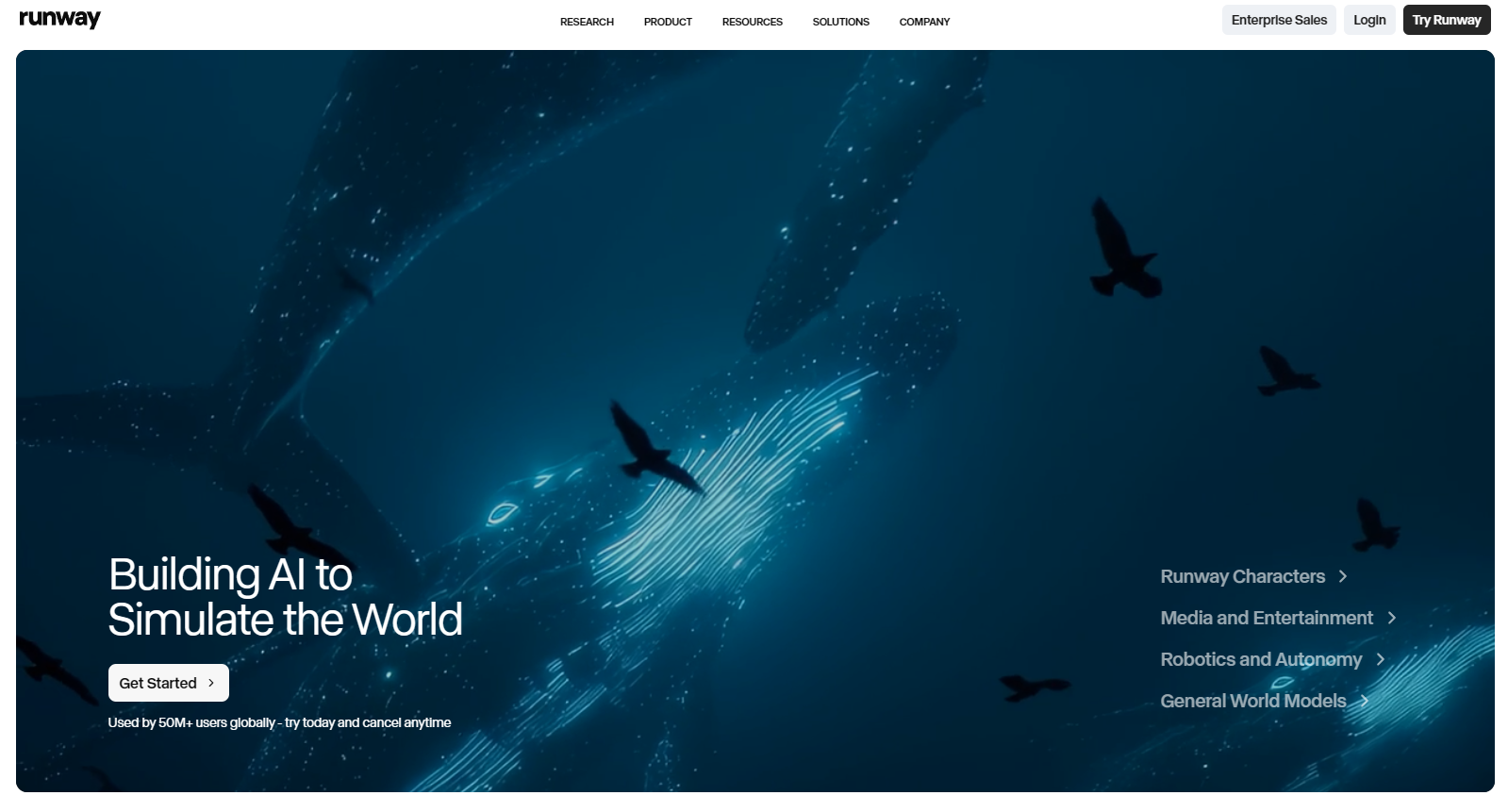
Runway is an all-in-one generative AI platform designed for businesses and creative professionals who need AI-powered support for marketing and content production workflows. Its core offerings include Runway Agent, which helps users plan projects, analyze data, and create marketing assets, and Runway Gen-4.5, its flagship AI video generation model for producing high-quality videos from text, images, and other inputs – also the highlight of this section.
Features of Gen 4.5:
Compared to Sora:
Compared to Sora, Runway offers a broader creative suite beyond AI video generation. For $12 per month, users get access not only to Gen-4.5, but also to tools such as Runway Agent, Aleph 2.0, Act Two, Characters, and other AI-powered features for editing, content creation, and creative workflows.
Best for: Cinematic storytelling, realism, and maximum output control
Pricing: starts at $4.99/month with Google AI Plus
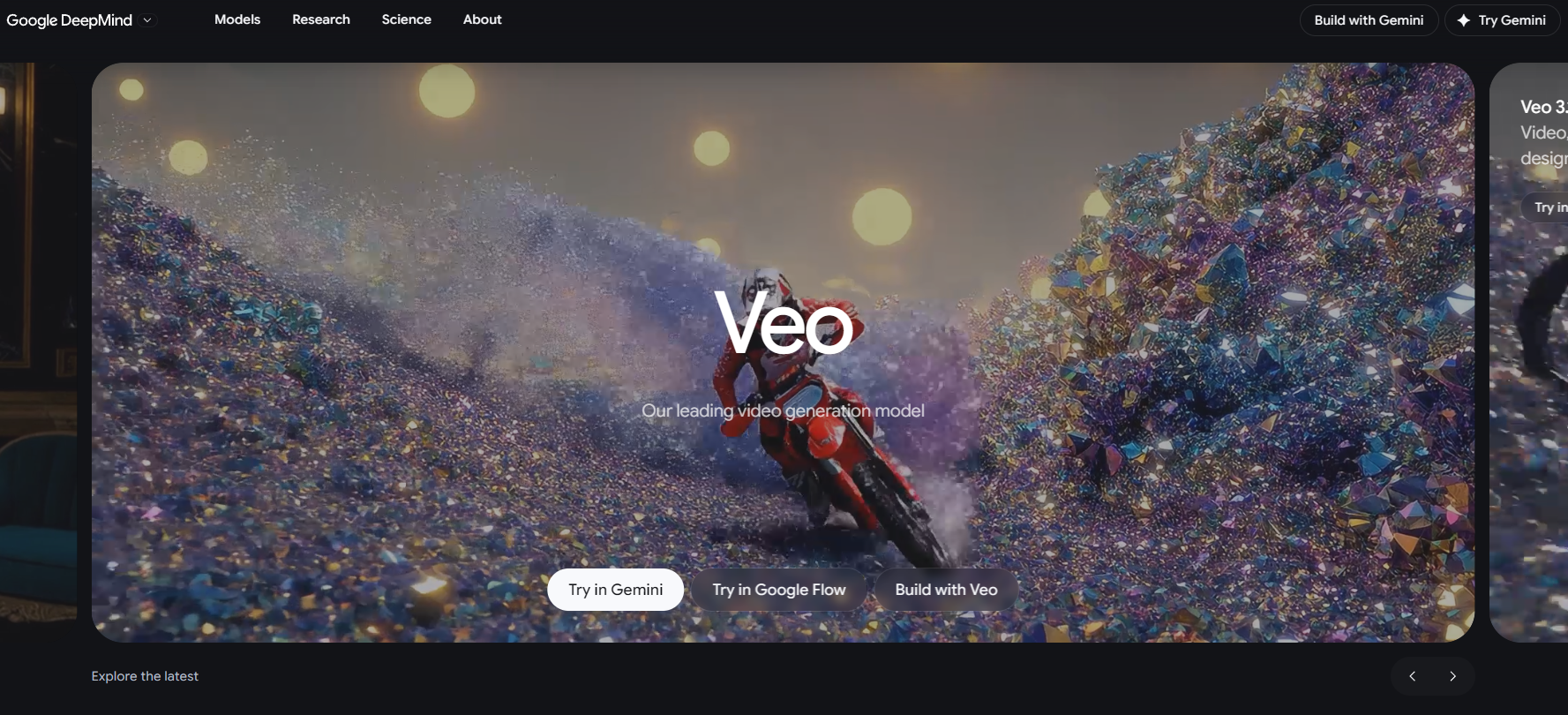
Veo is Google Deepmind’s flagship AI video generation model which can be accessed inside Gemini, Google Flow (AI filmmaking tool), Google Vids, Google AI Studio, the Gemini API, and Gemini Enterprise Platform.
Fundamentally, Veo 3.1 is the closest alternative to Sora 2 in terms of features and overall capabilities. Like Sora, it supports high-quality text-to-video generation, image-to-video generation, native audio generation, realistic physics simulation, cinematic camera control, and strong prompt adherence. If you're looking for an experience that closely resembles Sora, Veo 3.1 is one of the best alternatives to Sora available.
Features:
Compared to Sora:
While Veo 3.1 and Sora share many of the same core capabilities, Veo 3.1 offers several advantages. First, it can generate videos in up to 4K resolution, whereas Sora's maximum output resolution is 1080p. Veo 3.1 also integrates with Google Flow, Google's AI filmmaking tool, giving users access to additional video production features such as scene management, shot composition, and workflow tools that extend beyond standalone video generation.
Veo is not the most affordable tool though, so if it's outside of your budget, you might want to have a look at cheaper alternatives to Veo 3.
Best for: Cinematic storytelling, short-form content, and high-volume generation
Pricing: Starts at approximately $10, credit-based system, pricing differs per region with Dreamina (creative platform by Bytedance)
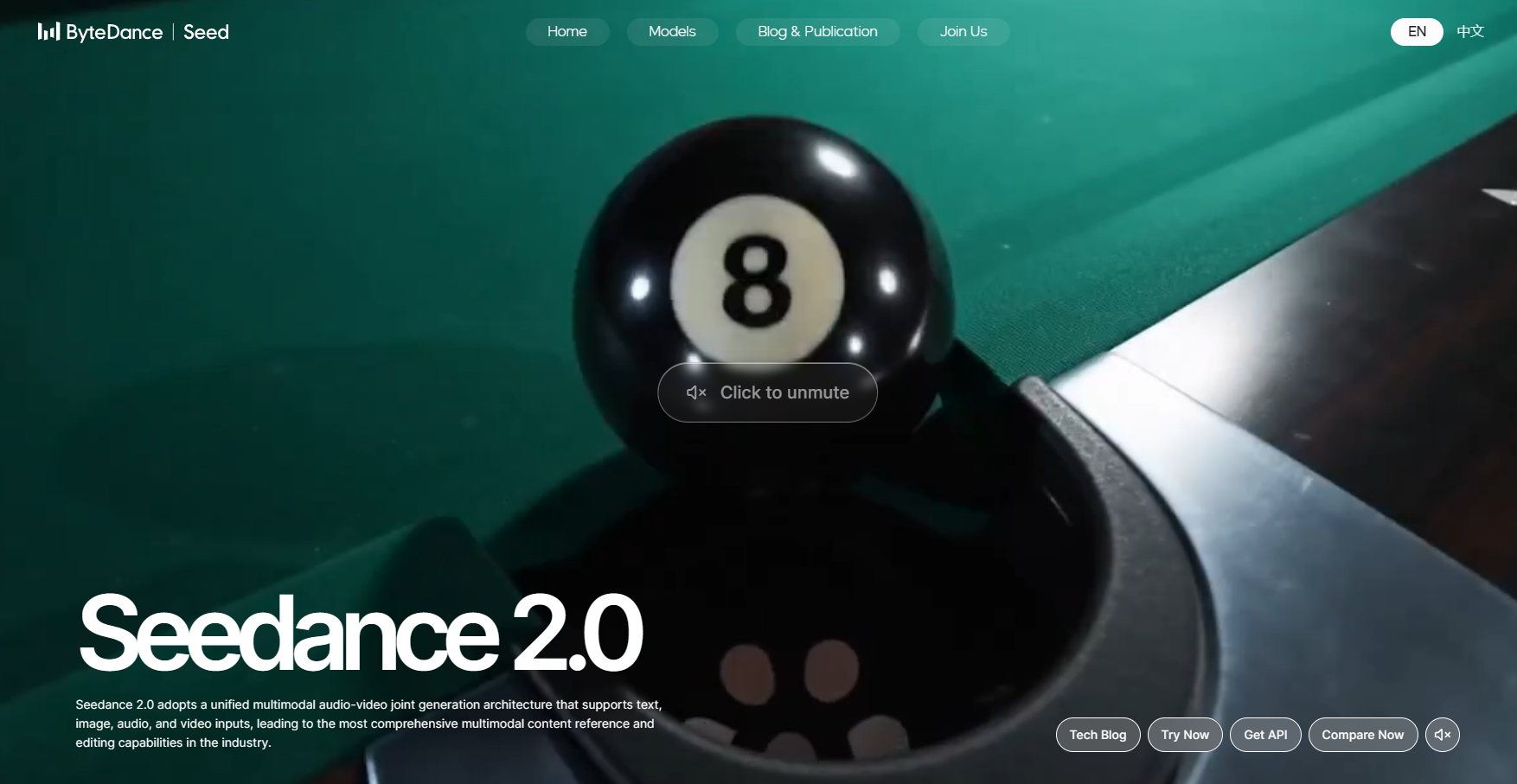
Seedance 2.0 is one of the top Chinese-developed AI video generators today, occasionally changing places with models like Kling 3.0 and HappyHorse. It is accessible through Bytedance’s (developer of TikTok) creative platform named Dreamina which is integrated into Capcut, an all-in-one video editing application.
Like Sora and Veo, Seedance places strong emphasis on producing film-like videos with cinematic quality and dynamic camera work.
Features:
Compared to Sora:
Compared to Sora, Seedance offers greater flexibility through its multimodal generation capabilities. In addition to referencing text, images, and videos, it allows users to incorporate motion, camera movement, and visual effects into the generation process, giving creators more control over the final output. It is particularly well suited for cinematic productions where precise creative control is more important than quick, general-purpose video generation.
Best for: Content creators and beginners creating short-form social media videos.
Pricing: Starts at $8/month (700 video credits)
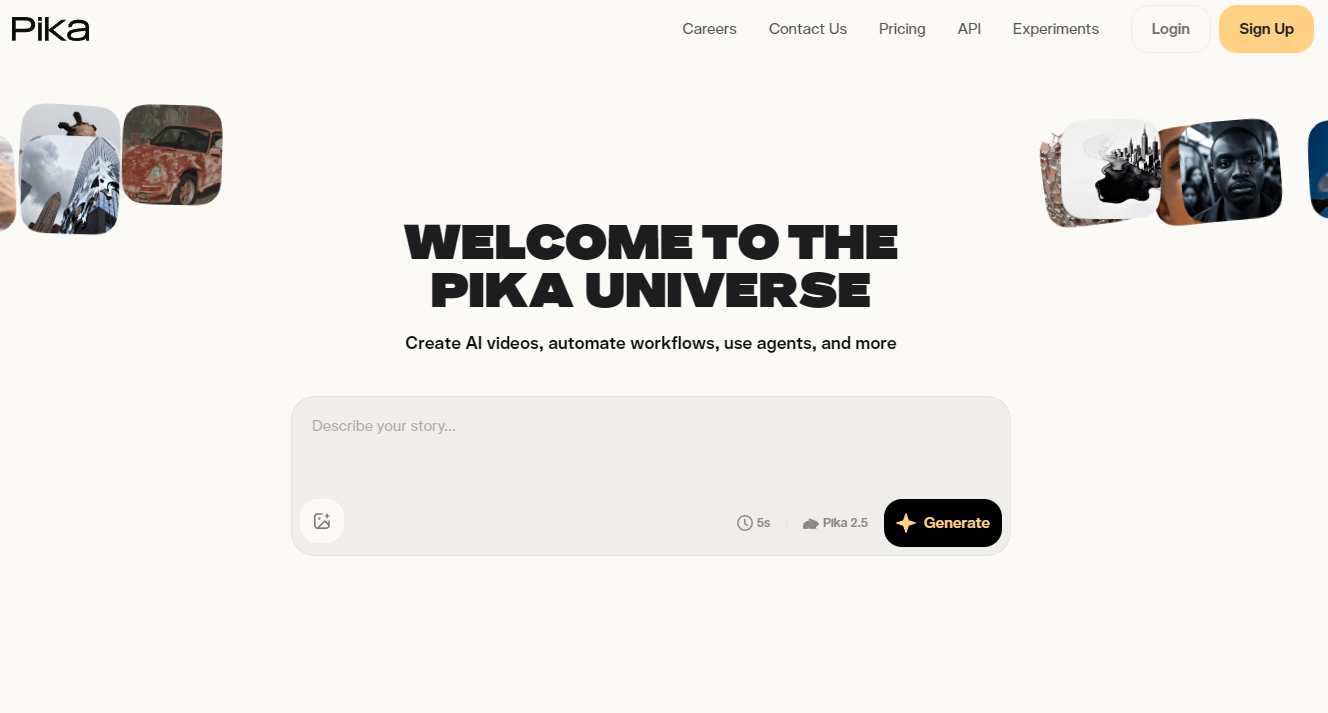
Pika, formerly Pika Labs, is an AI video generation and editing tool released in November 2023. Its primary focus is helping creators quickly edit and transform videos rather than producing highly cinematic, realism-focused content. Its AI-powered editing tools make it particularly well suited for creating engaging social media videos, memes, advertisements, and other short-form content with minimal editing experience. These tools also make it less prompt-dependent and more beginner-friendly.
Features:
Compared to Sora:
Pika is a compact tool that gives users the ability to create AI-generated videos without worrying about proper prompt engineering. Instead, it provides ready-to-use editing tools such as Pikaframes, Pikadditions, Pikaswaps, and Pikatwists, allowing users to create and modify videos with just a few clicks. This makes Pika a better choice for beginners, content creators, and marketers who want to produce engaging short-form videos quickly without a steep learning curve.
Best for: Developers and teams who want an open-source AI video generator for local deployment.
Pricing: Starts at $5/month
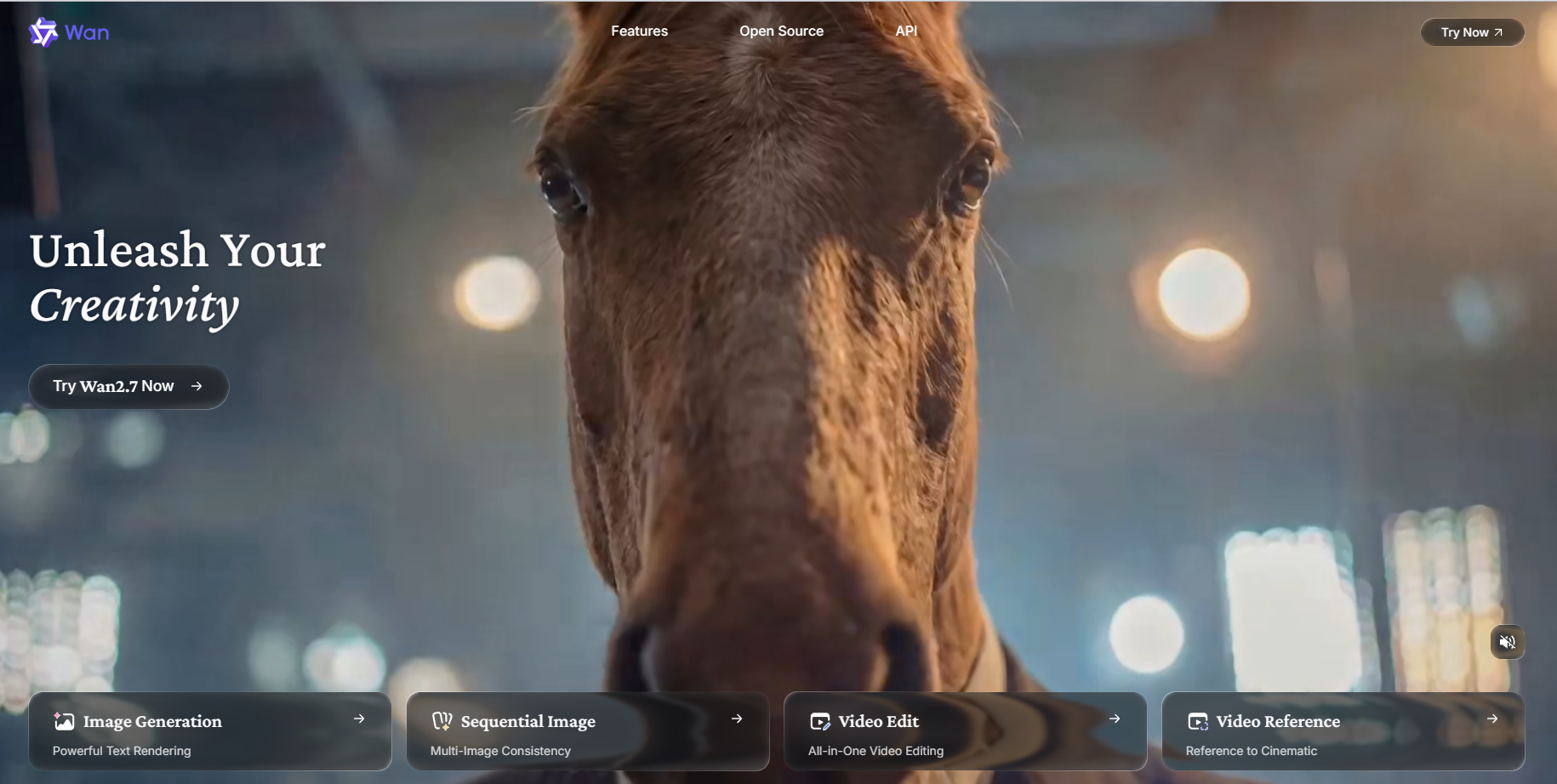
Wan is an open-source AI video and image generation model by Alibaba. If you’re looking for a tool similar to Sora, but can run locally, with more control over how the model is used and integrated into your workflow, then Wan is a great solution. This tool is made for developers, studios and for teams who prioritize control and privacy.
Features:
Compared to Sora:
Wan performs competitively across core image and video generation tasks. Sora, on the other hand, was designed as a polished consumer product with a stronger emphasis on cinematic storytelling, world simulation, and ease of use.
The main difference is that Wan is open-source, allowing developers to run it locally, self-host deployments, fine-tune it on custom datasets, and integrate it into their own AI workflows, capabilities that are not available with Sora's closed-source, cloud-based platform.
Best for: Developers and creators who need fast, open-source AI video generation.
Pricing: Free and open-source
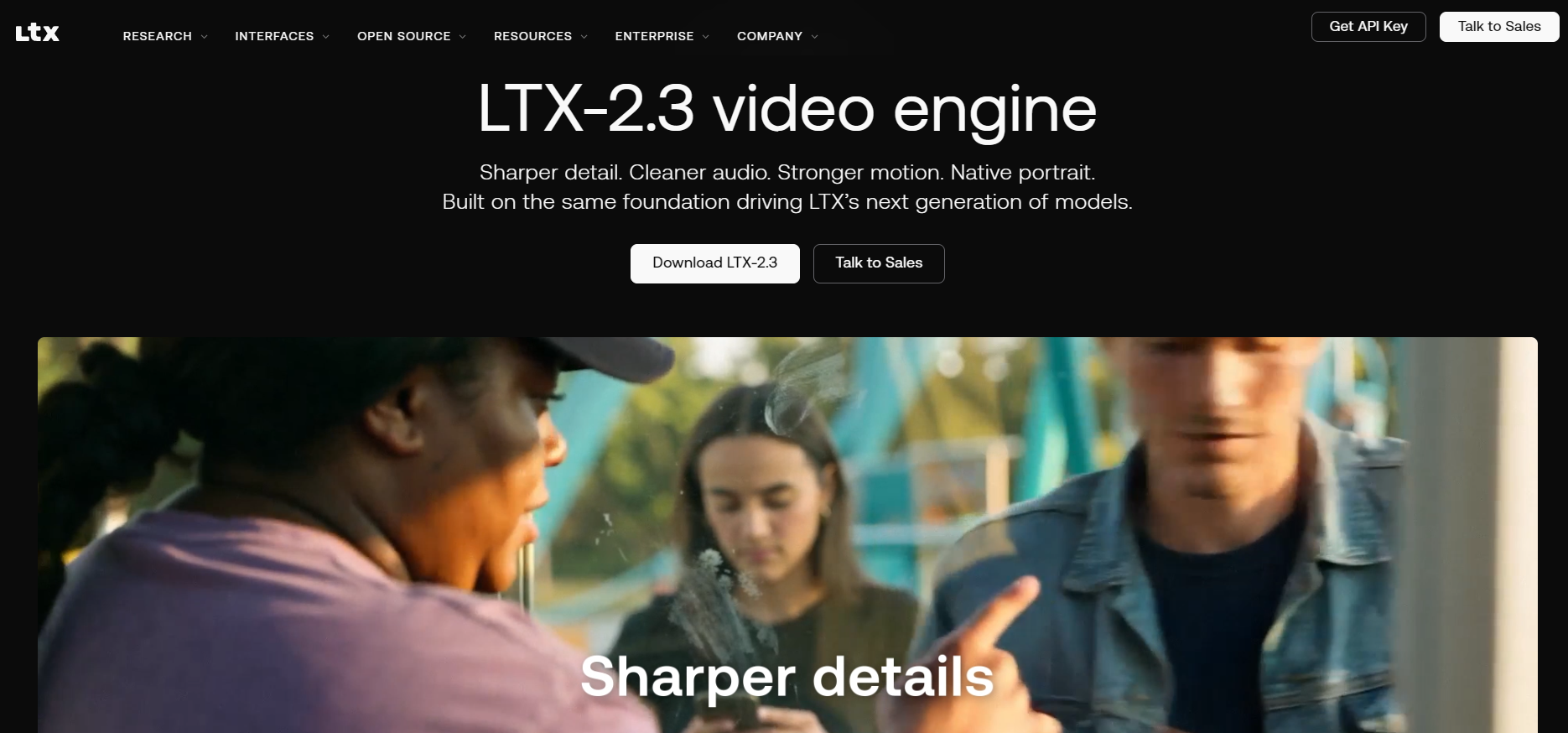
Just like Wan, LTX 2.3 by Lightricks is an open-source video generation AI tool. It’s totally free to use and deploy on their own infrastructure for companies with less than $10M in annual revenue. It’s also a good choice for hobbyists and professionals alike who are looking for a free Sora alternative. LTX is built around fast inference and production efficiency. This makes it ideal for developers and creators who need to iterate rapidly, integrate AI video generation into custom workflows, or run models locally without recurring subscription costs.
Features:
Compared to Sora:
Unlike Sora, LTX is open-source, allowing developers and organizations to run, modify, and integrate the model into their own workflows. Compared to Sora, LTX prioritizes fast generation speeds and local deployment over achieving the highest level of cinematic realism, making it a better choice for developers and teams that value customization, privacy, and cost efficiency.
Best for: Creating animated scenes and character consistency
Pricing: Starts at $8/month
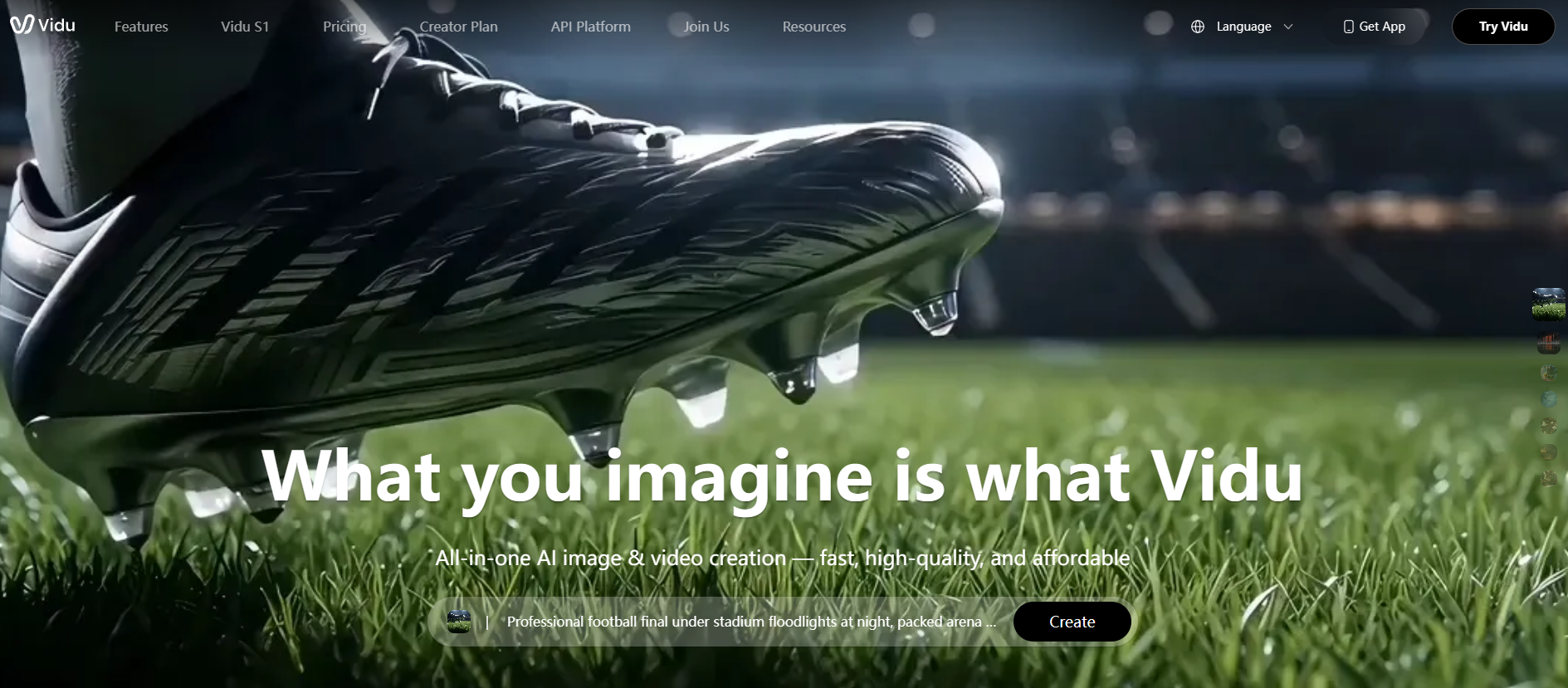
Vidu is an AI video generation platform developed by ShengShu Technology. It is popularly used for creating viral social media videos and cinematic content. Since its launch in 2024, it has expanded its capabilities beyond basic text-to-video generation, offering a range of models and workflows for creating both realistic and stylized videos. It is available through a web platform and API, making it suitable for both individual creators and developers.
Features:
Compared to Sora:
Compared to Sora, Vidu is a more affordable option for individuals and small teams while still offering a capable set of AI video generation features. It also generates videos quickly, making it well suited for rapid content creation and iteration. Although Vidu can produce cinematic-looking videos, Sora generally delivers more realistic physics, object interactions, and motion consistency in complex scenes.
Best for: Benchmark-topping realism with native audio, accessed through an API
Pricing: Pay per second of video: $0.14/s at 720p, $0.28/s at 1080p, no subscription
.jpg)
HappyHorse is Alibaba's video generation model, and the newest entry on this list. It appeared unannounced on the Artificial Analysis benchmark in April 2026 and climbed to the top of the blind-test rankings for both text-to-video and image-to-video, where it still sits. Alibaba later confirmed the model came from its ATH AI innovation unit.
Features:
Compared to Sora:
On pure output quality, HappyHorse currently outranks every model on this list in blind user testing, and its native audio pipeline is the closest thing to what Sora 2 offered. The catch is access: there is no polished consumer app. You use it through API platforms like fal or OpenRouter and pay per second of video, which suits developers and studios better than casual creators. Despite some "open source" claims around the launch, the model weights are not publicly available.
While the models we've covered can all be considered Sora 2 alternatives, comparing them feature for feature isn't the best way to choose one.
Each tool is designed for a different type of creator and workflow. General-purpose models like Veo, Kling, Seedance, and HappyHorse excel at cinematic storytelling, while tools like MyArchitectAI are optimized for specific industries such as architecture and design.
Others, like Wan and LTX, prioritize local deployment and customization, making them better suited for developers and technical users.
The best Sora alternative ultimately depends on:
If your priority is realistic filmmaking, Veo or Seedance may be the better fit. If you need fast editing for social media, Pika or Vidu may be more suitable. For architectural visualization, MyArchitectAI offers specialized workflows that general-purpose video models don't.
By matching the tool to your use case rather than simply comparing specifications, you'll get better results and a more efficient workflow.
Yes, there are plenty of free Sora 2 alternatives. In fact, most tools today offer free trials or free versions that allow users to test them out or use them for basic or light generation tasks. Tools like MyArchitectAI, Veo, Kling, and Pika offer free trials, while tools like Wan and LTX are open-source and can be used for free if you have the necessary hardware to run them locally.
Yes, there are open-source Sora AI alternatives namely Wan and LTX 2.3.
Google’s equivalent to Sora is Veo 3.1, their video generation model accessible through their AI assistant Gemini and other tools namely Google Flow (AI filmmaking tool), Google Vids, Google AI Studio, the Gemini API, and Gemini Enterprise Platform.

.webp)